[ad_1]
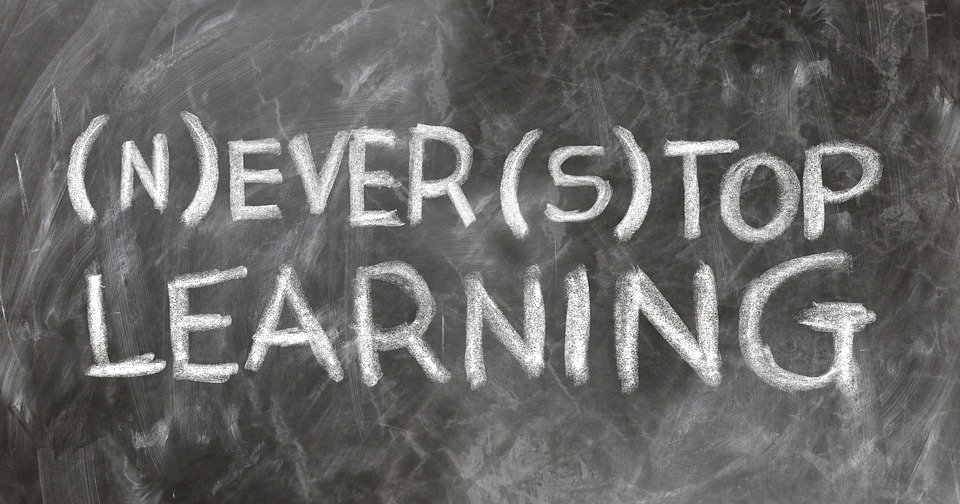
In today’s rapidly evolving society, change is the only constant. Technological advancements, shifting market dynamics, and evolving job roles create an environment where continuous learning is not just advantageous; it is essential. Embracing this journey of learning can significantly impact personal and professional growth, as well as resilience in the face of uncertainty.
The Need for Continuous Learning
The concept of continuous learning refers to the ongoing, voluntary, and self-motivated pursuit of knowledge for personal or professional development. In a fast-paced world, where skills can become outdated almost overnight, the significance of continuous learning becomes clear. For instance, industries such as technology, finance, and healthcare are continuously evolving, making skill enhancement a necessity for professionals aiming to stay relevant.
Benefits of Continuous Learning
- Adaptability: Individuals who engage in continuous learning are better equipped to adapt to new situations and changes. They can quickly update their skills and knowledge, ensuring that they can navigate transformations effectively.
- Enhanced Problem Solving: A commitment to learning fosters critical thinking and creativity, enabling individuals to tackle complex problems and find innovative solutions.
- Increased Job Satisfaction: Learning new skills can reignite passion and engagement in one’s work. When employees feel competent and capable, their job satisfaction typically increases.
- Improved Career Prospects: Continuous learners often stand out in the job market. Employers recognize the value of a proactive attitude toward personal development, making candidates more attractive.
How to Foster Continuous Learning
Integrating continuous learning into your life doesn’t have to be daunting. Here are several ways to cultivate this practice:
1. Set Learning Goals
Identify specific skills or knowledge areas you wish to explore. Setting clear learning goals can provide direction and motivation. Utilize tools like SMART goals to create objectives that are specific, measurable, achievable, relevant, and timely.
2. Leverage Online Resources
The internet is replete with resources. Websites like Coursera, Udemy, and LinkedIn Learning offer courses on a wide variety of topics. These platforms provide opportunities to learn at one’s own pace, making them ideal for busy professionals.
3. Embrace Networking
Networking with peers in your industry can offer new perspectives and insights. Attend workshops, conferences, and seminars to expand your knowledge while connecting with others who share your passion for learning.
4. Develop a Growth Mindset
A growth mindset is the belief that abilities and intelligence can be developed with effort and perseverance. Embracing this mindset encourages individuals to view challenges as opportunities for learning rather than obstacles.
Embracing Change in the Workplace
Organizations that champion a culture of continuous learning are often more successful in navigating change. By investing in employee training and development, companies foster an environment where adaptability and innovation thrive. This doesn’t just benefit the employees; it results in enhanced organizational performance and resilience.
Examples from Leading Companies
Many leading companies have set examples in fostering a culture of learning:
- Google: Known for its commitment to employee development, Google encourages team members to spend 20% of their time on projects that interest them, leading to innovation and personal growth.
- IBM: IBM emphasizes continuous learning through its “Your Learning” platform, offering personalized learning paths for its employees to enhance their skills throughout their careers.
Conclusion
In a world characterized by rapid change and uncertainty, the power of continuous learning cannot be overstated. It empowers individuals to adapt, innovate, and thrive in their personal and professional lives. Whether through formal education, online courses, or experiential learning, embracing change and fostering a growth mindset are crucial to remaining relevant and fulfilled. As we continue to navigate this fast-paced world, let us embrace continuous learning not just as a necessity, but as a way to enrich our lives and the lives of those around us.
FAQs
1. What is continuous learning?
Continuous learning is the ongoing pursuit of knowledge and skills, characterized by a commitment to personal and professional development.
2. How can I start my journey of continuous learning?
You can start by setting clear learning goals, leveraging online resources, networking with others, and adopting a growth mindset.
3. Is continuous learning important only for professionals?
No, continuous learning is beneficial for individuals in all aspects of life, including personal growth and hobbies, not just professional development.
4. How can organizations promote continuous learning?
Organizations can promote continuous learning by providing access to training programs, encouraging knowledge sharing, and fostering a culture that values learning and experimentation.
[ad_2]